Three years ago, Alupe Primary School was a desert. With no teachers, no classrooms and no finances, enrolment had collapsed from over 600 pupils to just 50. Today, the same community is celebrating a fully-fledged modern primary school, a new St. James Church, clean piped water and graded community roads — all delivered by Wagagai Gold Mining Uganda Limited at a cost of over $1 million.
The transformation is more than a building project. It is a story of a community that was losing hope and a mining company that chose to invest in the future.
What followed the collapse was months of engagement. The district, the Church of Uganda, the community and Wagagai agreed that the old site was no longer conducive to learning. A joint committee was formed, three alternative sites were technically assessed, and the current location was unanimously chosen.
The Wagagai Public Relations Officer (PRO) narrated that the company decided to fully fund the reconstruction of both Alupe Primary School and St. James Church of Uganda so that children could have a better learning environment and a spiritual home.
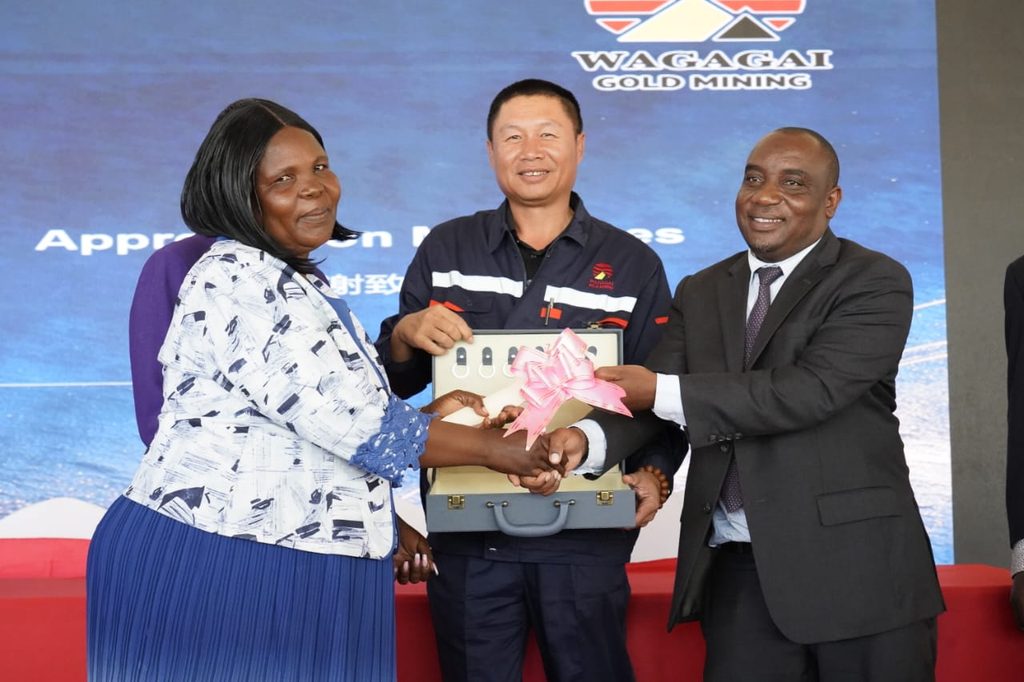
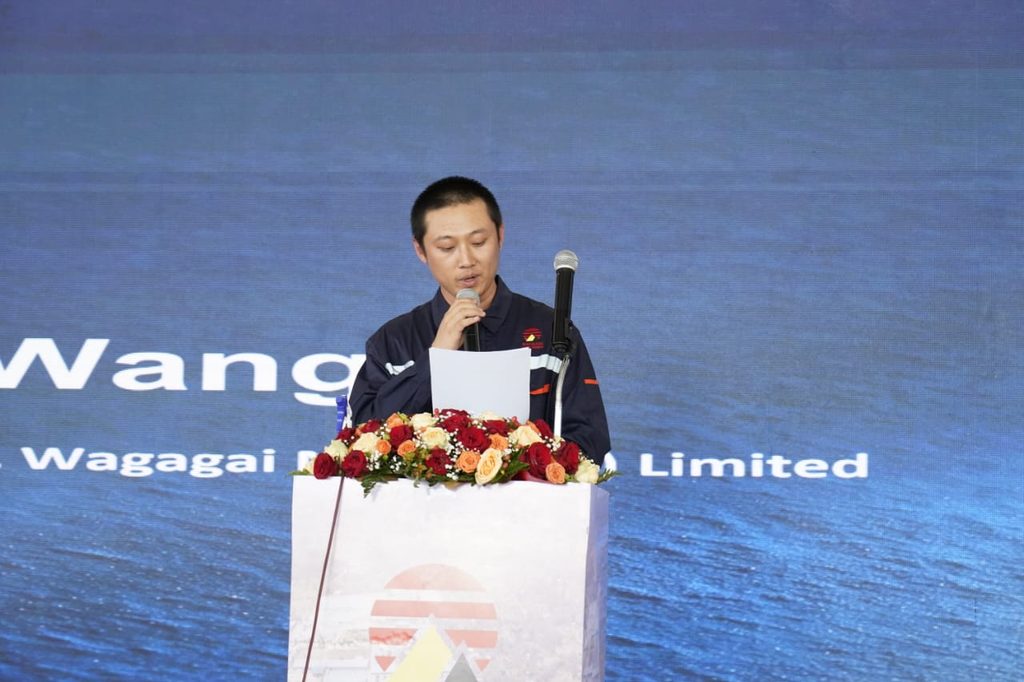
The General Manager, Mr. Tan Jiuchang, explained during the handover of the school that, for Wagagai, success is not measured only by how much gold the company produces, but also by what it leaves behind. He revealed that the company has empowered the local workforce by employing over 2,000 Ugandans, building local talent and investing deeply in community welfare. He added that, over the years, the company’s support has gone far beyond a single project to include building schools, extending clean water to four villages, improving roads and bridges, renovating housing and supporting vulnerable members of the community.
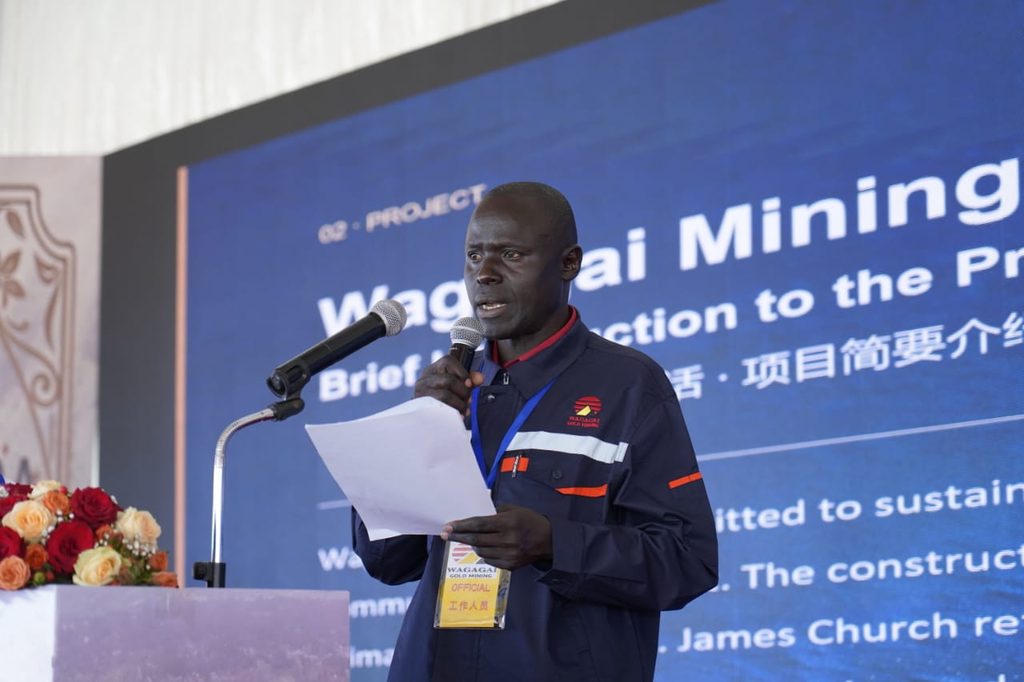
The Head Teacher recounted that Alupe was once a desert — a place with no teachers, no learners and no finances — but that today, they are celebrating its transformation. She appreciated the office of the Chief Administrative Officer (CAO) for working hand in hand with Wagagai Gold Mining Company to renew the school.
Beyond classrooms, Wagagai addressed the everyday challenges facing Alupe. When mining activities disrupted the community borehole, the company extended piped tap water to the village and the new school. It has also graded and repaired key community access roads linking villages to markets, health centres and schools. The company has committed to completing electricity installation, rainwater harvesting tanks, lightning protection, drainage and greening at the new site before Term One next year.
The District Chairperson, John Charles Namayindwa, noted that when he assumed leadership in Busia District, he was told that the relationship between Wagagai Mining Company and the district existed but was not good. He attested that, with the ushering in of the new leadership, the relationship had improved drastically.
Namayindwa pledged that the district local government would offer political, social and any other support Wagagai might require to ensure that its work progressed systematically.
The Alupe project is now a national benchmark. Wagagai was recently named Mining Company of the Year at the 15th Annual Minerals Conference in Kampala.
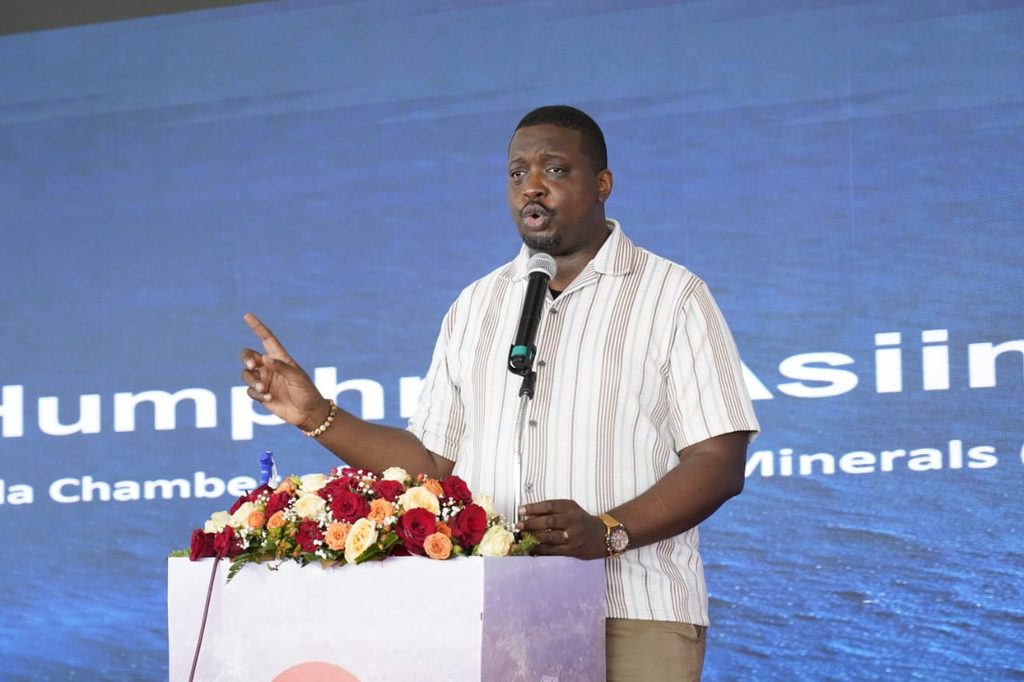
The CEO of the Uganda Chamber of Energy and Minerals, Humphrey Asiimwe, observed that mines may operate for 10 to almost 20 years before coming to an end, but education is everlasting and enduring. He stressed that Wagagai had invested in the community’s future through education, creating an impact worth celebrating.
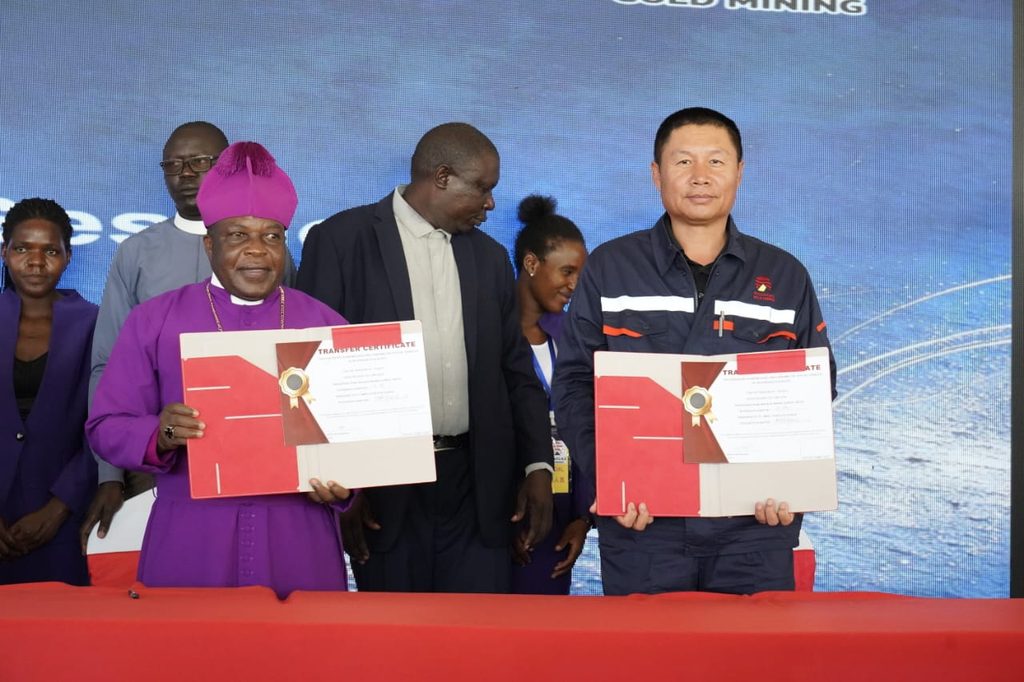
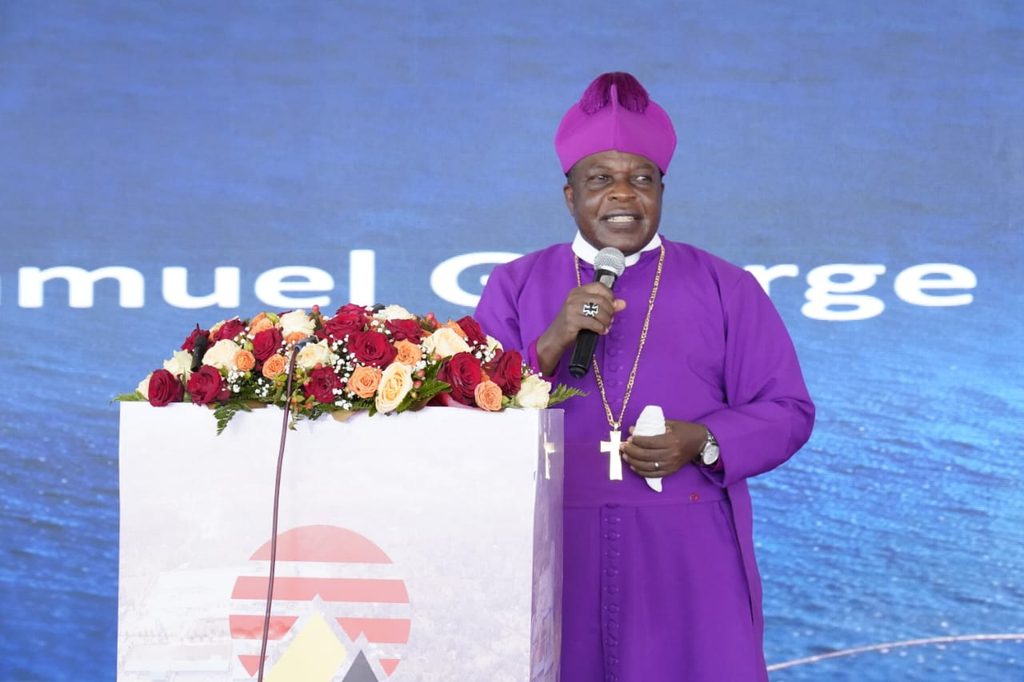
Rt. Rev. Bishop Samuel George Bogere Egesa, the Bishop of the Bukedi Sub-region and Guest of Honour, officially opened the school and the church. He urged young people to embrace hard work, noting that leadership is not tomorrow but today. Quoting James 2:17, which states that faith without works is dead, he said Wagagai had demonstrated living faith by giving back to the community. He also urged community members to take ownership of the facilities and maintain them.
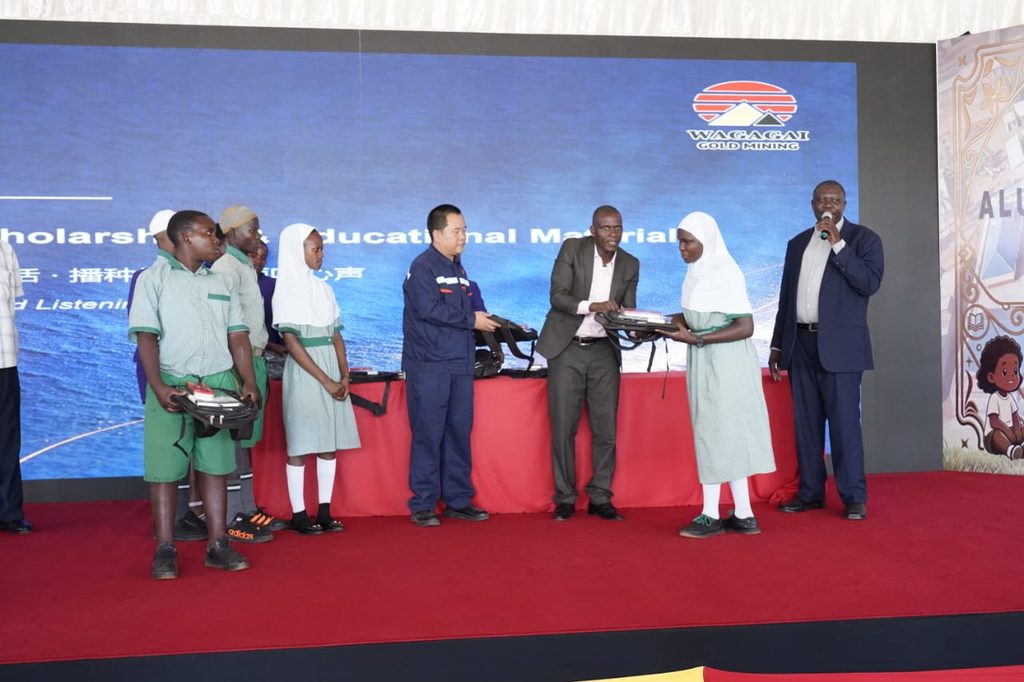
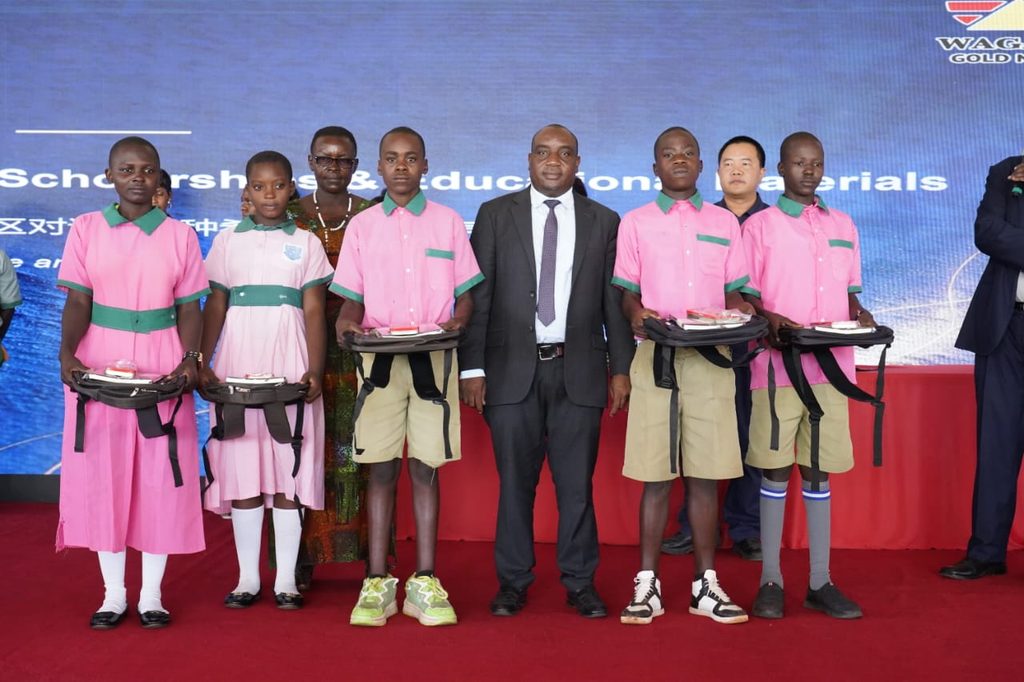
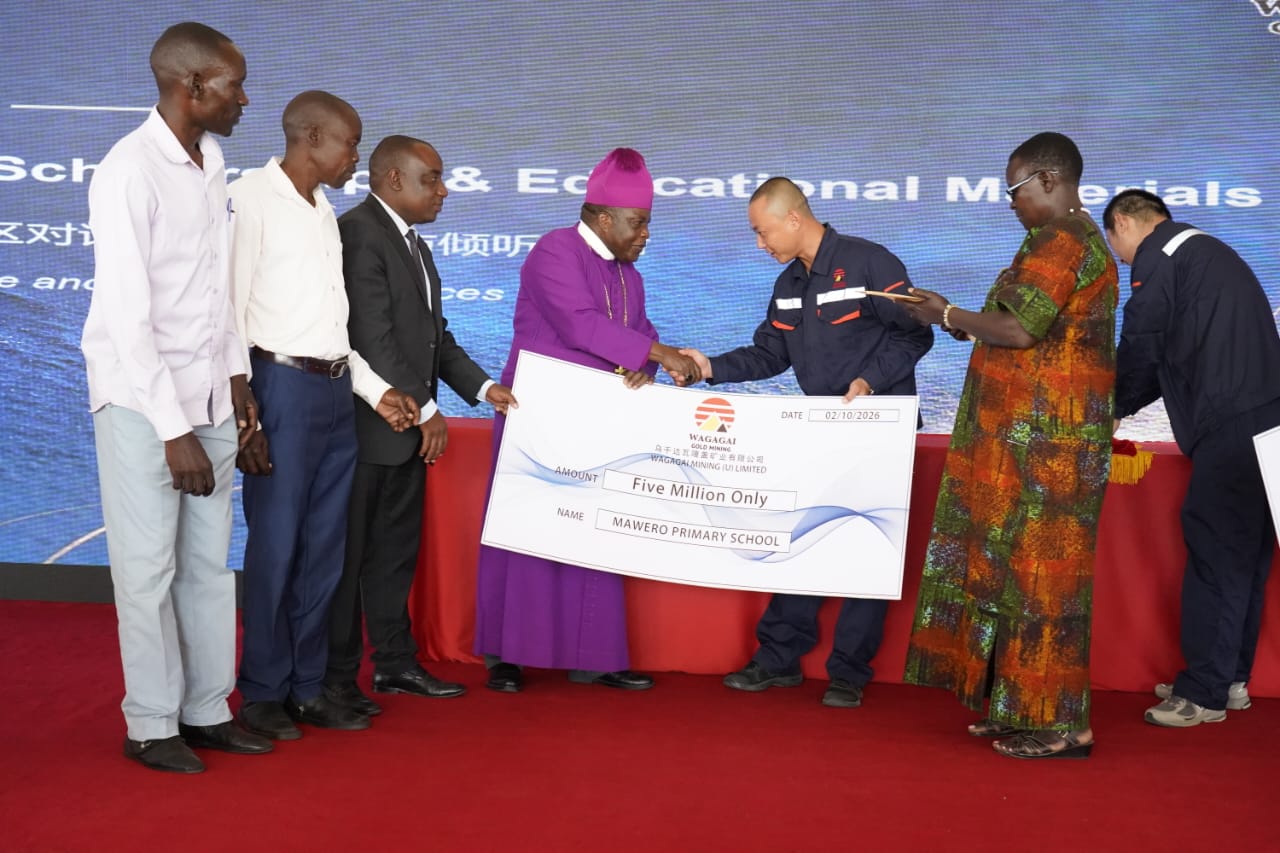
The company also supported three other schools, including Mawero Primary School and Mawero Islamic Primary School, with each school receiving Shs 5 million to support the purchase of scholastic materials for vulnerable learners.