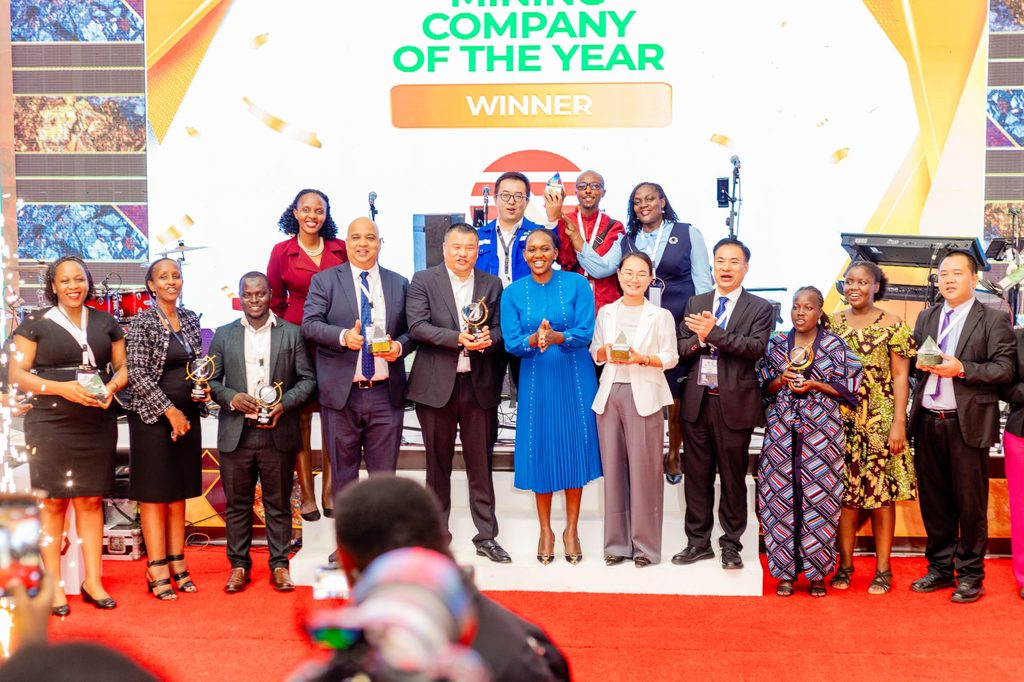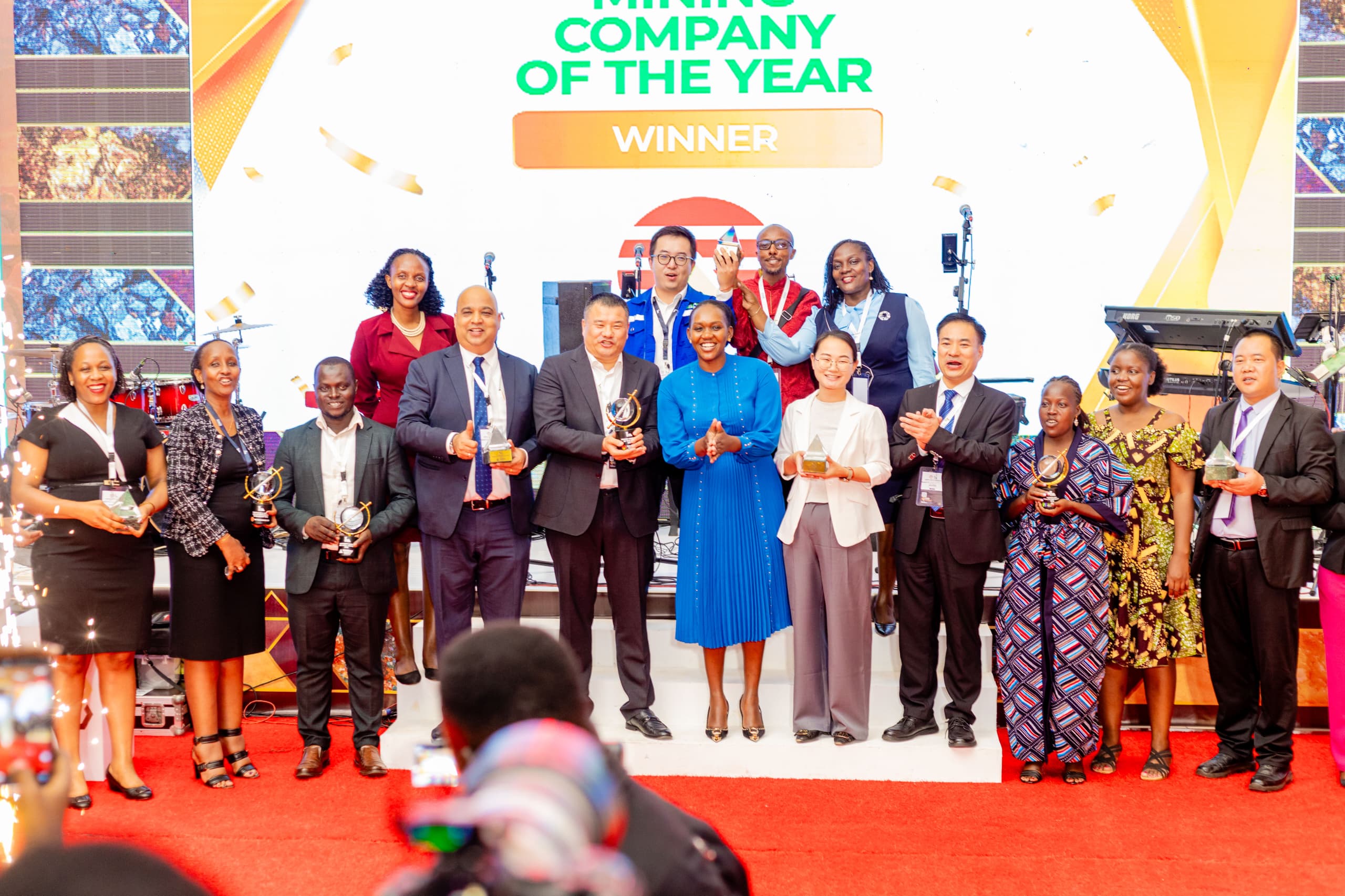
The 15th Annual Mineral Wealth Conference has closed at Speke Resort Munyonyo, with government committing to major reforms to grow the mining sector.
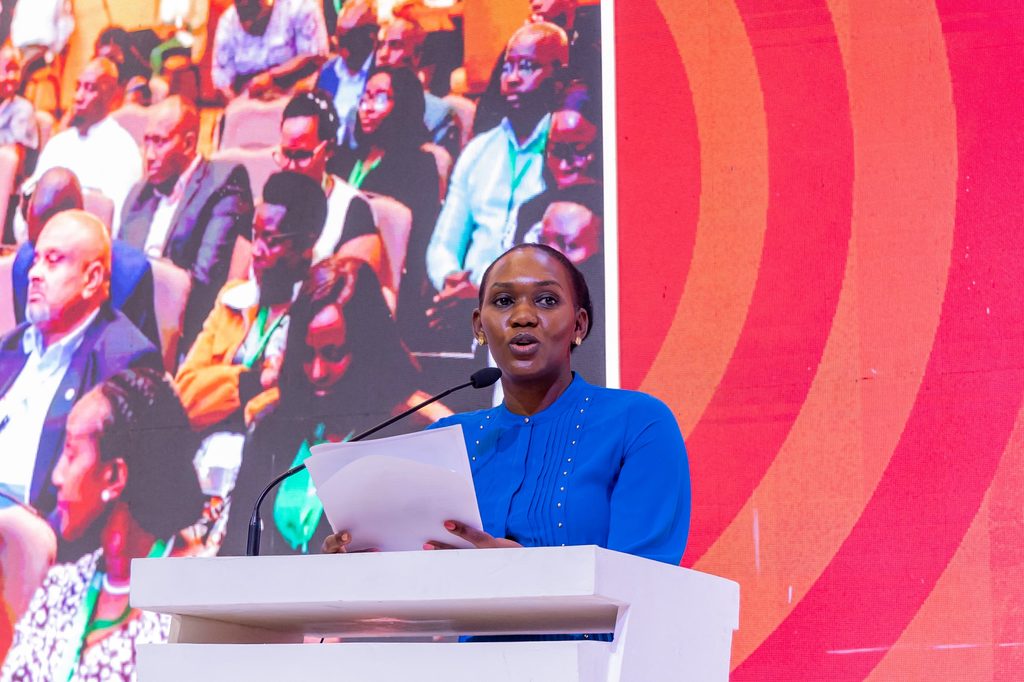
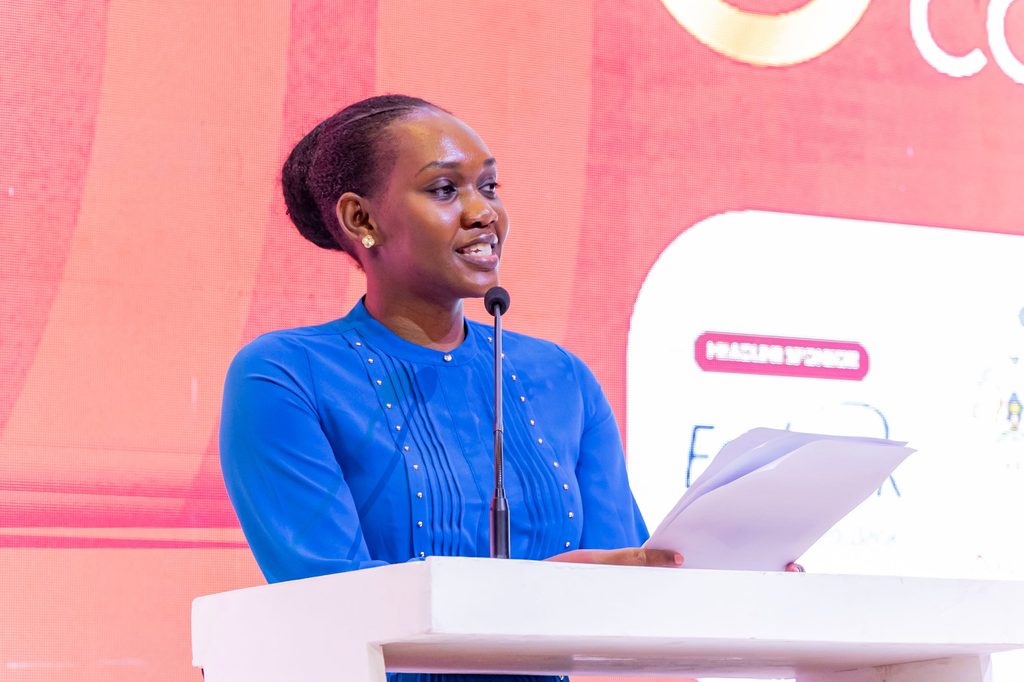
State Minister for Energy and Mineral Development, Hon. Phiona Nyamutoro, who closed the conference, said the mining sector currently contributes only 2.2% of GDP, but noted that the National Development Plan IV sets an ambitious target of 7.9% by 2029/2030. She emphasized that closing that gap is the measure of the ministry’s task.

On licensing, the Minister said government has paused the issuance of new mineral licences to allow for a comprehensive review of all existing licences, with particular scrutiny on dormant ones to pave the way for credible investors. She revealed that the ministry is also considering establishing a standalone mineral regulator, a proposal she said will be taken to Cabinet for consideration.
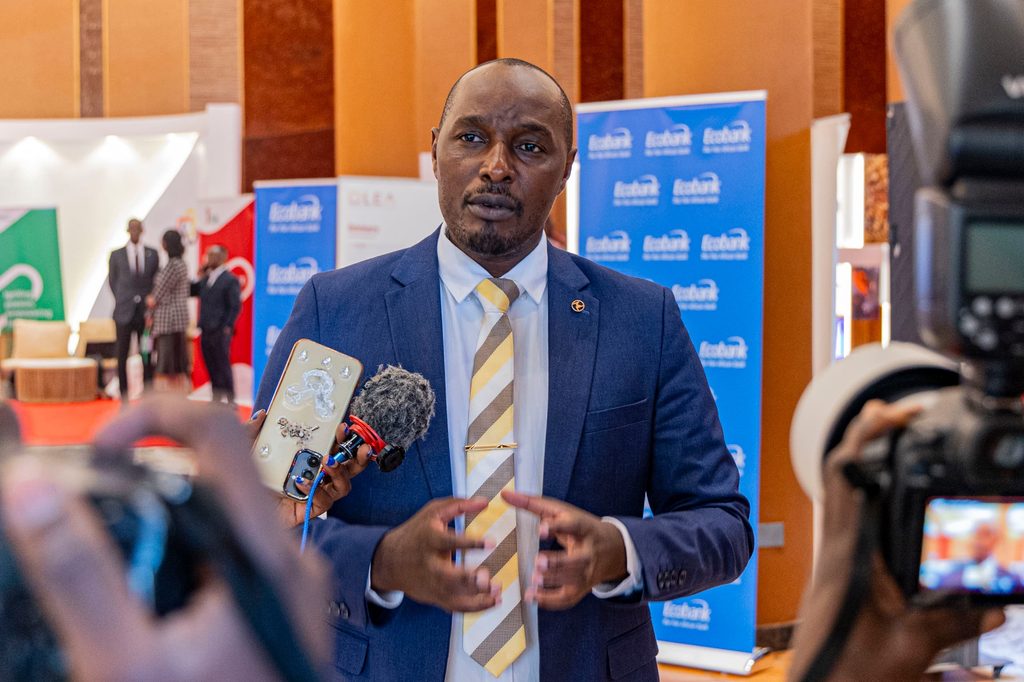
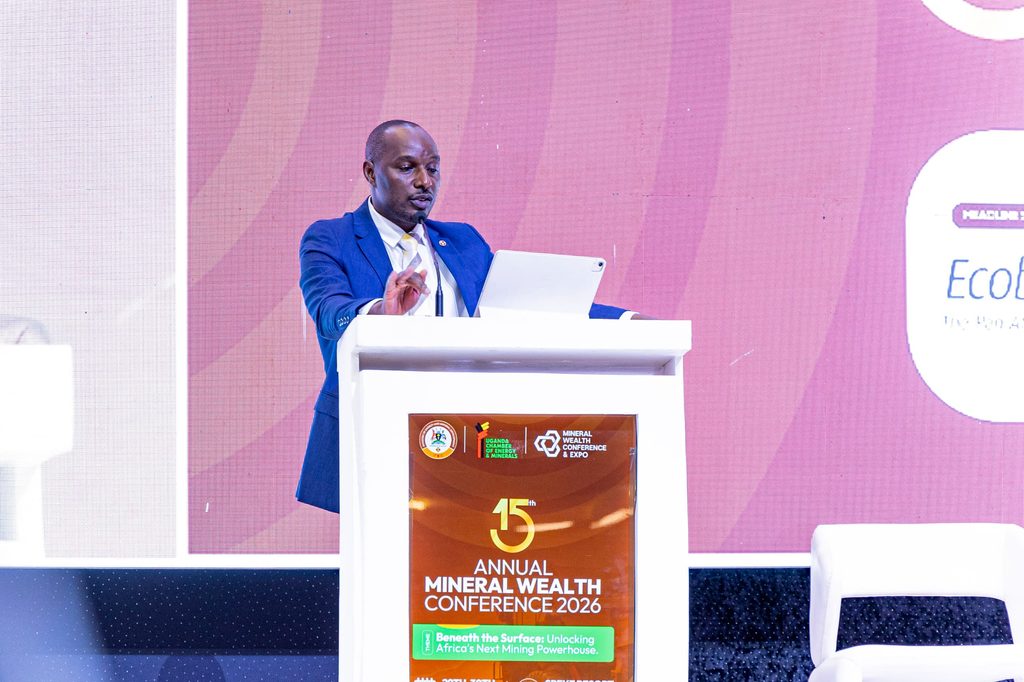
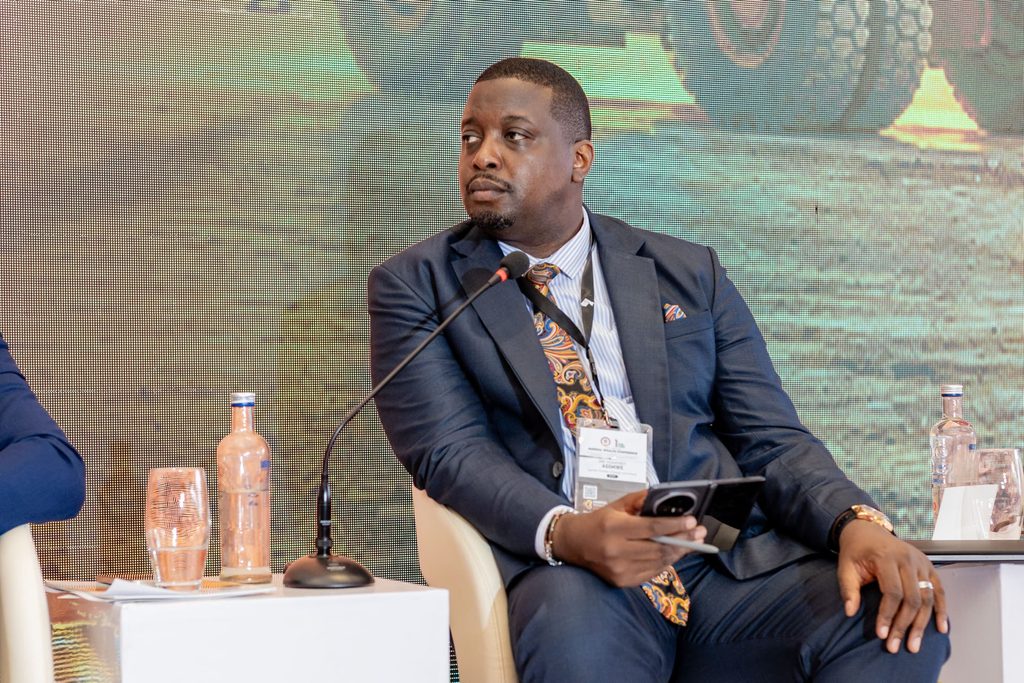
Humphrey Asiimwe, the Chief Executive Officer of the Uganda Chamber of Minerals and Energy, which took the lead in convening the recently concluded Mineral Wealth Conference, underscored the need for the establishment of a comprehensive regulatory framework to govern the mining sector, akin to the existing legal regimes that regulate the electricity and petroleum sub-sectors.
On artisanal mining, Hon. Nyamutoro reported that 9,187 artisanal miners have so far been biometrically registered countrywide under the BRASM system. She added that 39 areas have been gazetted for artisanal miners and 15 small-scale licences have been issued. The Minister also thanked the European Union for announcing more than 16 million euros in additional grants, which she said now pushes total support to over 25 million euros.
Meanwhile, the Minister for Science, Technology and Innovation, Hon. Eng. Jonard Asiimwe, urged Uganda to add value to its mineral resources instead of exporting them in raw form. He warned that exporting raw minerals denies the country opportunities for industrial development, jobs, technology transfer and increased revenue.
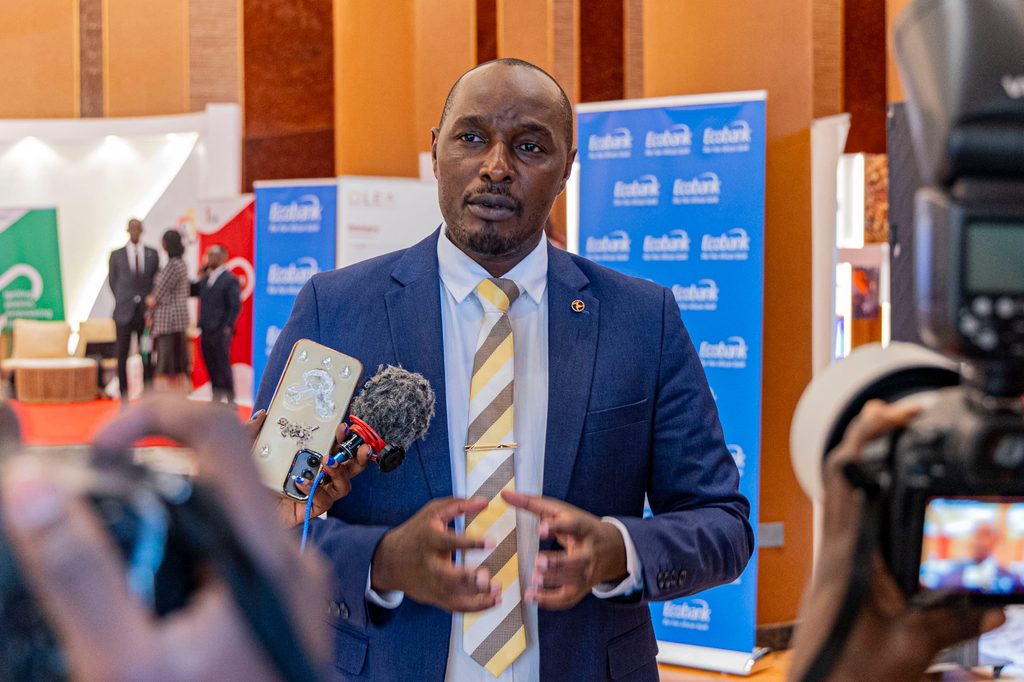
Asiimwe disclosed that domestic mineral production was valued at 301.04 billion shillings in the 2024/25 financial year, with iron ore contributing about 108.2 billion shillings. He said gold exports have risen to about 5.8 billion US dollars, making it Uganda’s leading export.
He further called for a comprehensive value-chain analysis for every strategic mineral and emphasized the need to use technology to accurately quantify and qualify deposits, saying poor geological data could lead to wrong investment decisions.