


Uganda’s tourism sector is turning to digital technology and artificial intelligence (AI) to strengthen destination marketing, improve visitor experiences and drive sustainable growth.
The Ministry of Tourism, Wildlife and Antiquities is hosting the 4th Annual Tourism Development Programme Performance Review Conference, bringing together government officials, private-sector players, development partners, cultural institutions, academia, civil society and other tourism stakeholders.
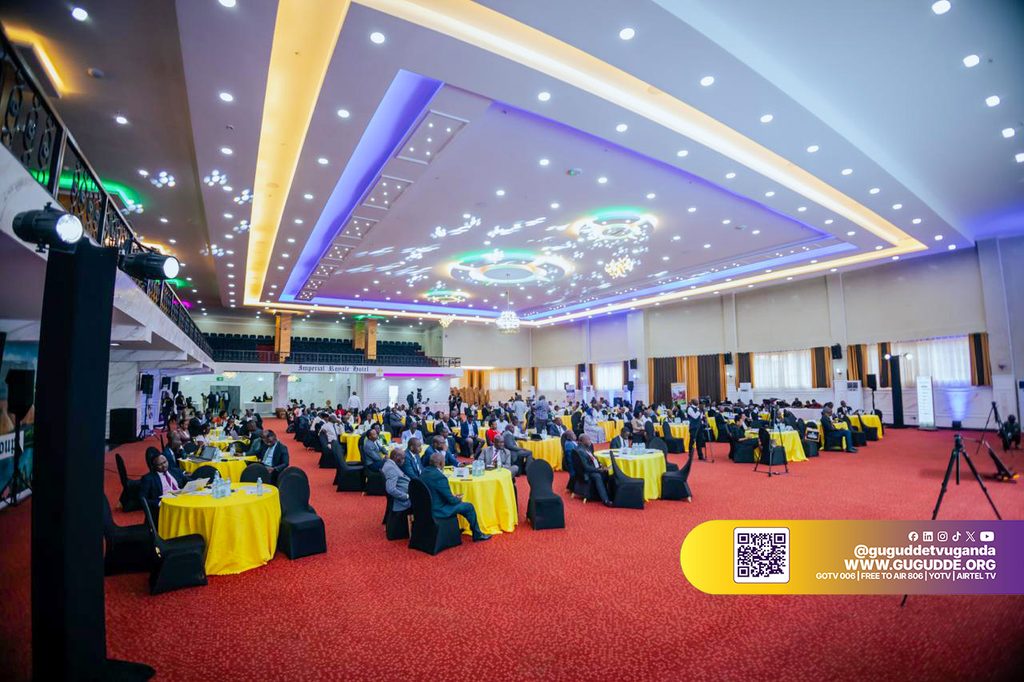
The conference, held under the theme “Digital Agenda and Artificial Intelligence to Redesign Tourism,” is focusing on how technology and AI can transform tourism marketing, improve service delivery and support data-driven decision-making.
The conference is being graced by Hon. Henry Musasizi, Minister of Finance, Planning and Economic Development.
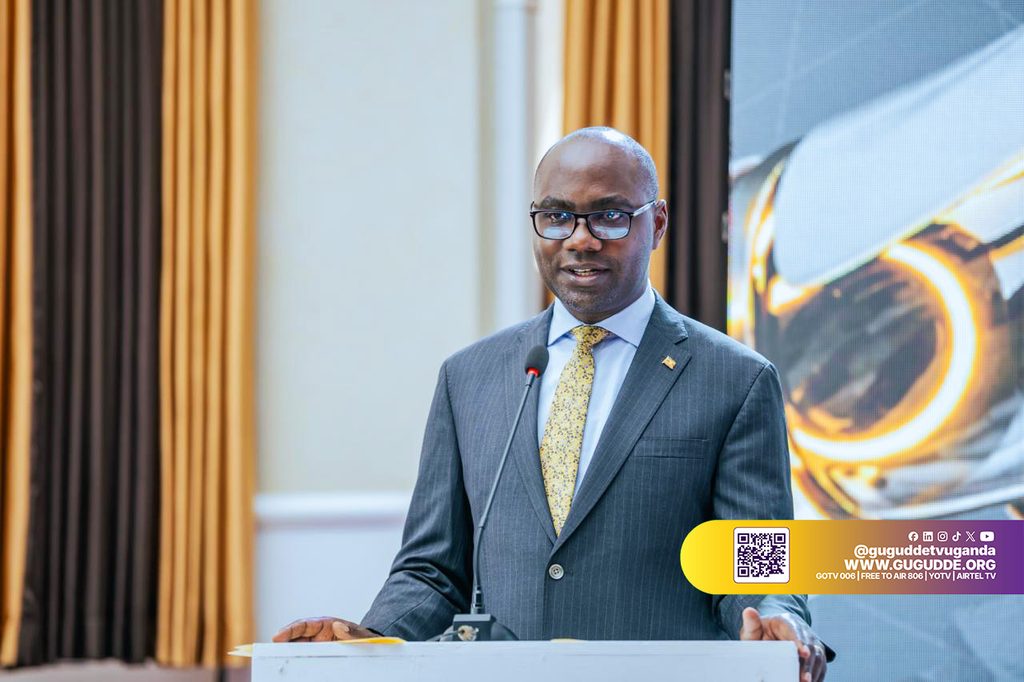
Speaking at the conference, Doreen Katusiime, Permanent Secretary in the Ministry of Tourism, Wildlife and Antiquities, said tourism remains a key pillar of Uganda’s economy, contributing to foreign exchange earnings, employment, household incomes and investment.
Katusiime noted that the sector has recorded encouraging growth over the past year, including increased international tourist arrivals, tourism earnings and its contribution to the national economy, following recovery from the effects of the COVID-19 pandemic.
The conference is reviewing the performance of the Tourism Development Programme for the 2025/26 financial year, which marks the first year of implementation of the Fourth National Development Plan (NDP IV).
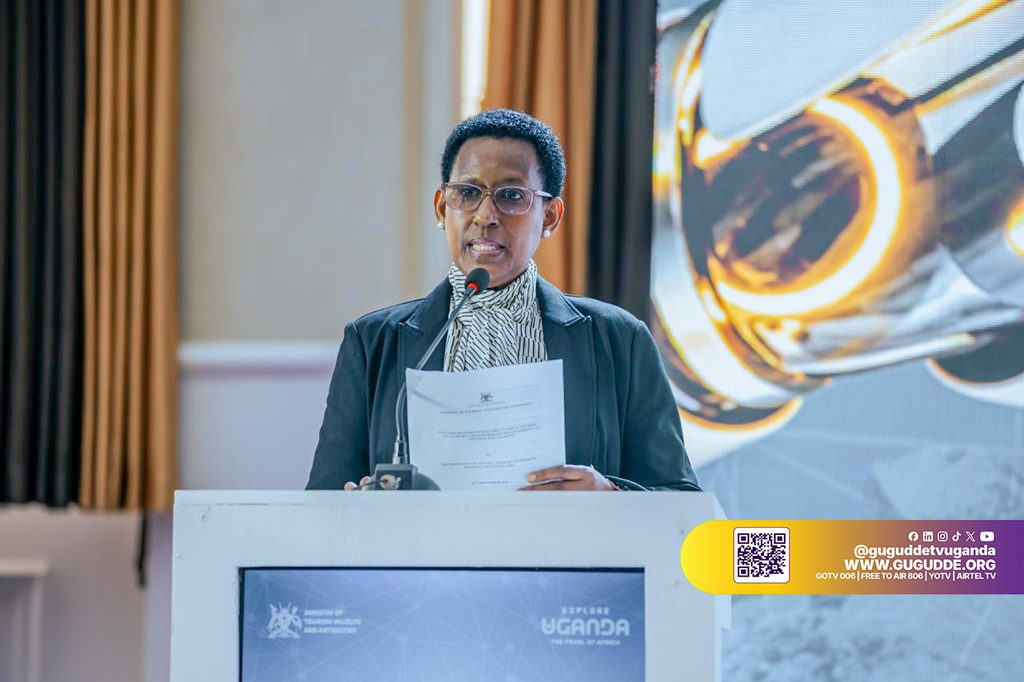
Despite the sector’s recovery, Katusiime identified several challenges that continue to affect tourism growth, including limited investment in marketing, infrastructure gaps, inadequate funding, delays in regulations, human-wildlife conflict and low compliance with service standards.
She said the Ministry will focus on strengthening Uganda’s global tourism brand, expanding tourism infrastructure—including roads, aerodromes and visitor facilities—and diversifying tourism products.
Priority areas include cultural, faith-based, agro- and sports tourism, alongside greater investment in skills development, regulation, service standards and digital transformation.
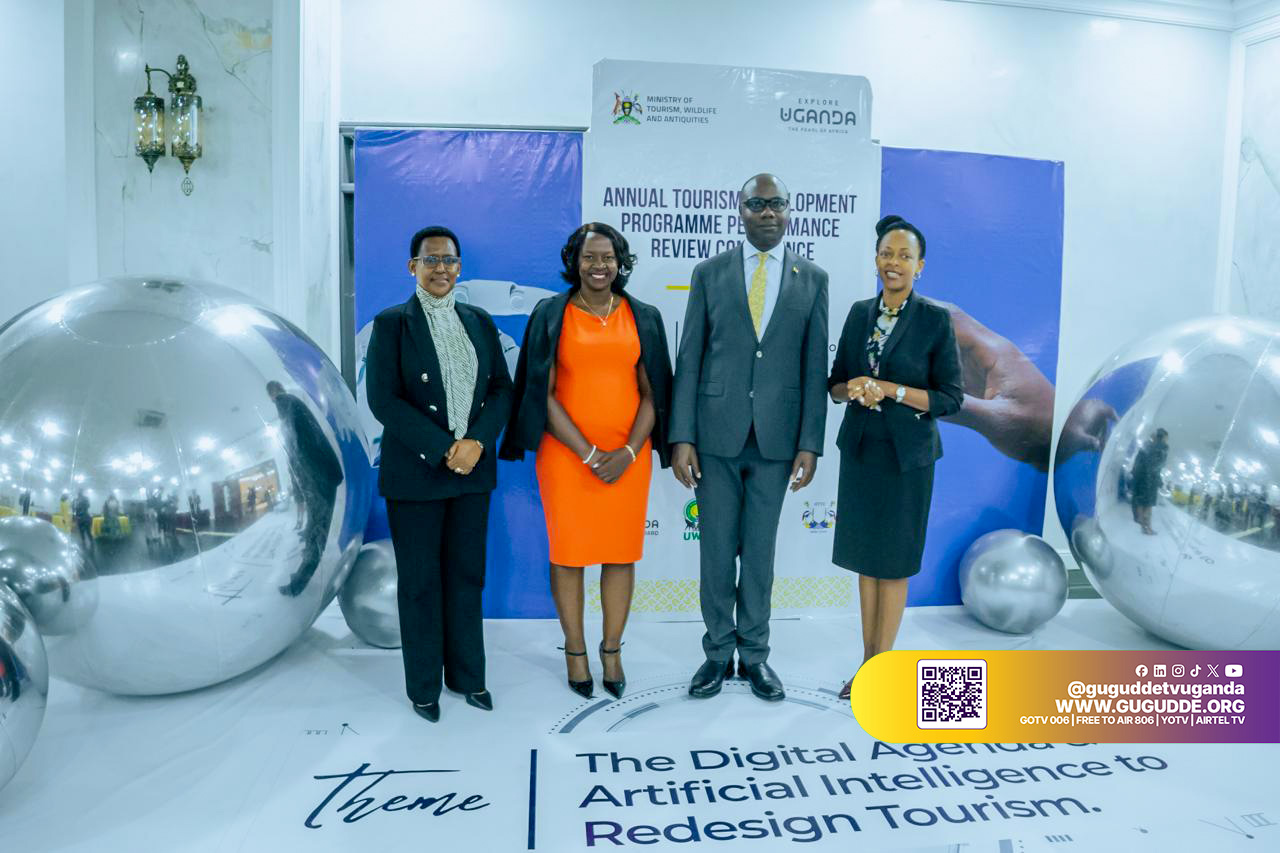
Katusiime also called for stronger collaboration between government, the private sector, development partners, civil society and local communities to address the sector’s challenges.
As Uganda looks ahead, stakeholders at the conference are using the review to assess progress, share experiences and identify practical interventions that can accelerate the transformation of the tourism industry.
The goal, Katusiime said, is to collectively position Uganda as a preferred tourist destination while harnessing technology and innovation to shape the future of tourism.