
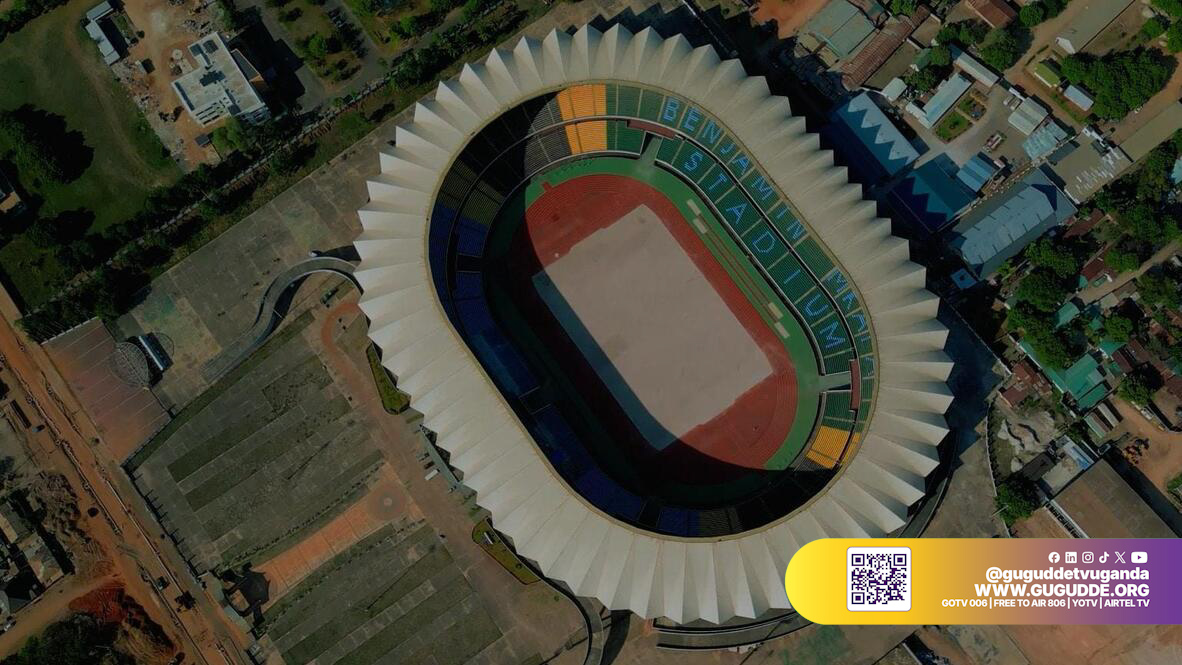
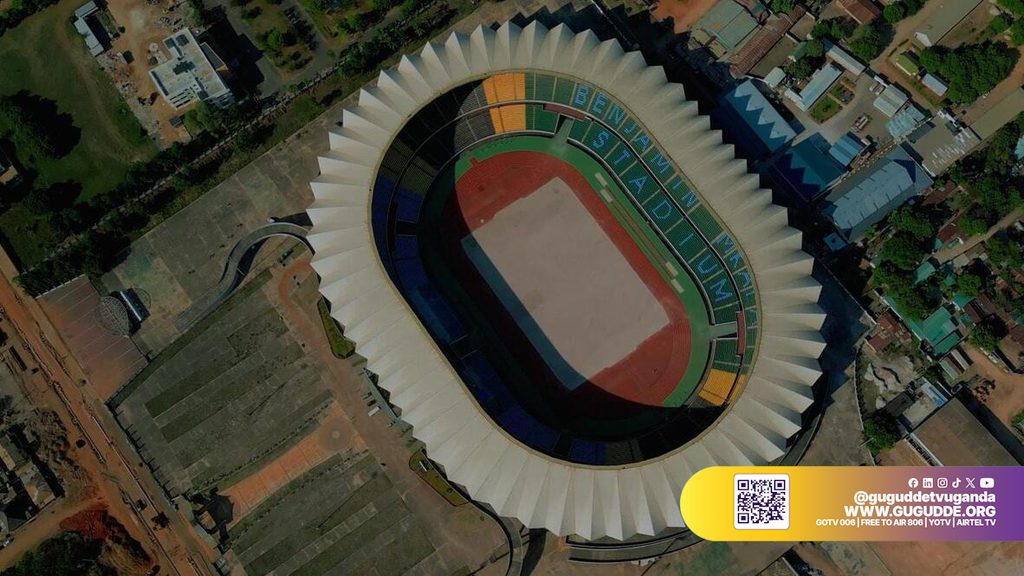
Preparations for the 2027 Africa Cup of Nations (AFCON) are gaining momentum, with Tanzania targeting more than 90% completion of its hosting preparations by December 2026 as East Africa gets ready to welcome Africa’s biggest national-team football tournament.
Tanzania will co-host the competition alongside Uganda and Kenya, marking the first time the Africa Cup of Nations will be jointly staged by three countries. The tournament is scheduled to run from June 19 to July 18, 2027, bringing together 24 national teams in a landmark event for the region.
The three host nations are working to complete stadiums, training grounds and supporting infrastructure ahead of inspections and final assessments by the Confederation of African Football (CAF).
Tanzania is stepping up investments in sporting facilities, transport networks and other infrastructure needed to host the continental competition.
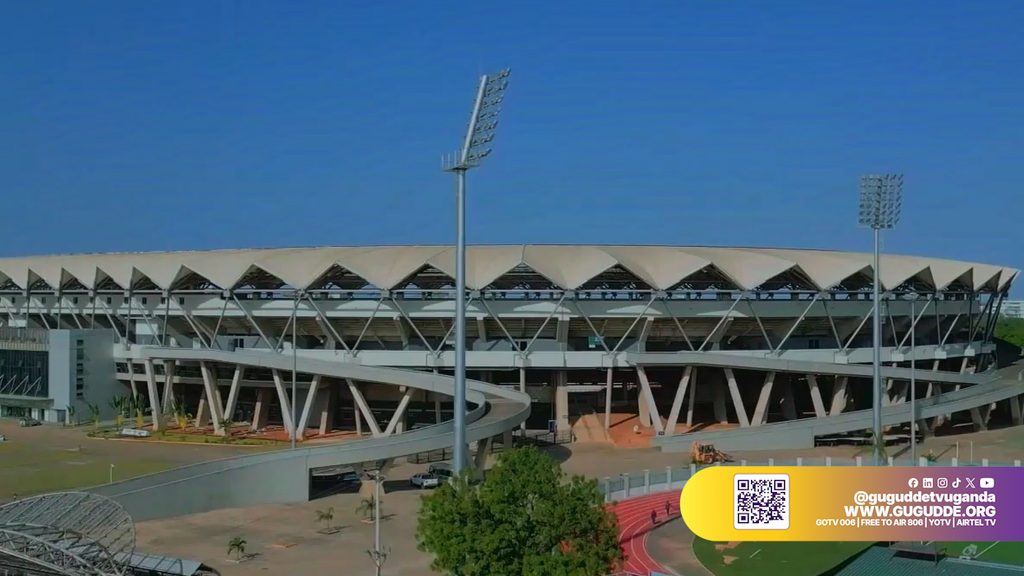
According to Tanzania’s Minister for Information, Culture, Arts and Sports, Paul Makonda, the government expects preparations to exceed 90% completion by December 2026, with the aim of completing the remaining work within the same period.
The government has also disclosed spending of 104 billion Tanzanian shillings to secure hosting and broadcasting rights for the tournament. The expenditure includes 74 billion shillings for hosting rights and 30 billion shillings for broadcast rights, highlighting the financial commitment behind Tanzania’s preparations.
Major projects include the development and refurbishment of stadiums, improvements to training facilities and upgrades to infrastructure intended to support teams, officials, journalists and visiting supporters.
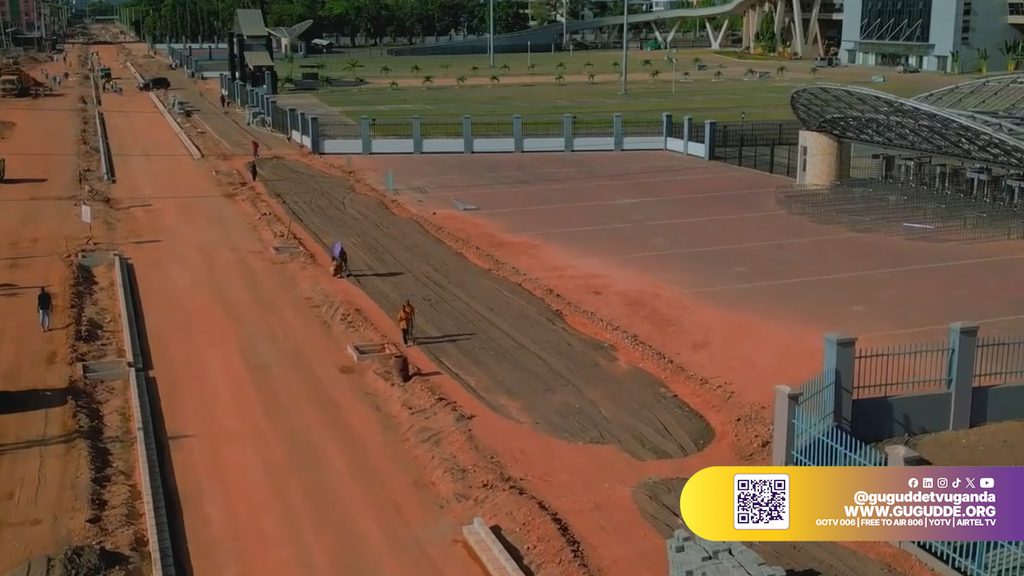
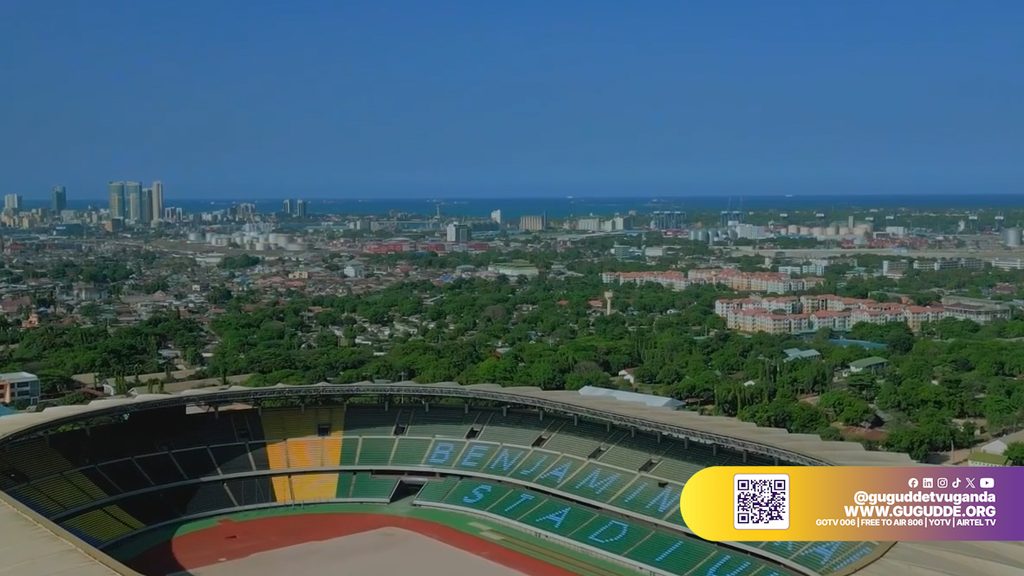
The new Arusha Stadium, designed to accommodate approximately 30,000 spectators, is among the flagship projects. Benjamin Mkapa Stadium in Dar es Salaam is also undergoing improvements, while construction of Fumba Stadium in Zanzibar forms part of the country’s broader preparations.
Authorities are also focusing on road connectivity and transport arrangements to ensure the efficient movement of visitors between tournament venues.
While Tanzania advances its preparations, Uganda and Kenya are also working to meet CAF’s infrastructure and operational requirements.
In Uganda, Mandela National Stadium, commonly known as Namboole, is undergoing major renovation works. Hoima City Stadium has been completed and commissioned, while Akii-Bua Olympic Stadium in Lira remains a key infrastructure project expected to strengthen the country’s capacity to host international sporting events.
Uganda is also developing and upgrading training grounds in different locations to accommodate participating national teams.
Kenya, meanwhile, is preparing the Talanta Sports International Stadium in Nairobi as one of its flagship venues. The country is also working on existing stadiums, training facilities, transport connections and other supporting infrastructure.
Recent CAF inspections across the three countries have assessed stadiums, training grounds, hotels, airports, security arrangements, media facilities and transport systems. These assessments are critical in determining whether the host nations can meet the standards required for a tournament of this scale.
AFCON 2027 represents a significant opportunity for East Africa to showcase its football talent, tourism attractions and capacity to host major international sporting events.
The tournament will bring teams, supporters, journalists and football officials from across Africa and beyond, creating opportunities for hotels, airlines, tour operators, restaurants, transport providers and other businesses.
Tanzania has indicated that it wants to use the competition to attract investment and create employment, particularly for young people. Uganda and Kenya are similarly positioned to promote their tourism destinations and strengthen their international profiles through the tournament.

Beyond the economic opportunities, the competition is expected to give football fans in the region the chance to experience Africa’s premier national-team tournament on home soil.
The three countries will also have an opportunity to strengthen regional cooperation through coordinated transport, hospitality, security and event-management arrangements.
Despite the progress reported across the three host nations, completing construction projects is only one part of the preparations.
Stadiums and training grounds must meet CAF requirements, while transport networks, accommodation, security, medical services, broadcasting facilities and crowd-management systems must be ready to handle the demands of a major continental competition.
CAF inspections have highlighted the importance of completing outstanding work within the required timelines and ensuring that facilities are fully operational before the tournament begins. The remaining months will therefore be crucial in turning construction progress into tournament readiness.
For the organisers, meeting deadlines while maintaining the required standards will be essential to delivering a smooth and successful competition.

With the tournament less than nine months away as of October 2026, preparations are entering a critical phase. Tanzania’s target of exceeding 90% readiness by December reflects the urgency facing the host nations as they approach the final stretch.
The ultimate test will be whether Uganda, Kenya and Tanzania can complete the required works, pass the necessary inspections and coordinate their operations to deliver a tournament that meets continental expectations.
For East African football fans, the countdown has begun. AFCON 2027 is more than a football competition; it is an opportunity for the region to demonstrate its hospitality, sporting ambition and ability to work together on a historic continental stage.
The big question remains: Will Uganda, Kenya and Tanzania be fully ready to deliver a memorable AFCON 2027 when Africa’s football stars arrive next June?