

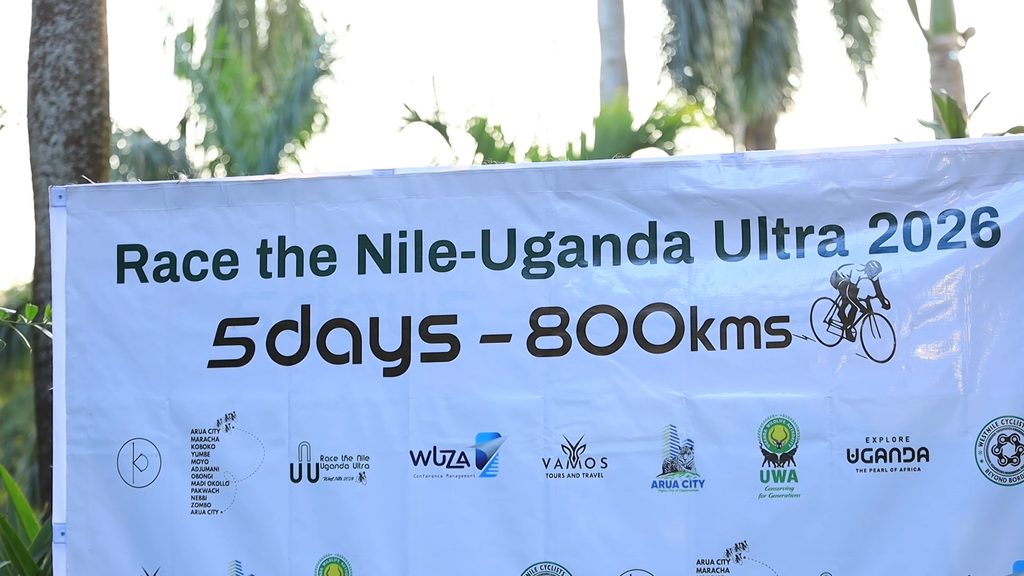
An ambitious international cycling adventure designed to showcase the beauty, culture, heritage and tourism potential of Uganda’s West Nile region has officially been launched.
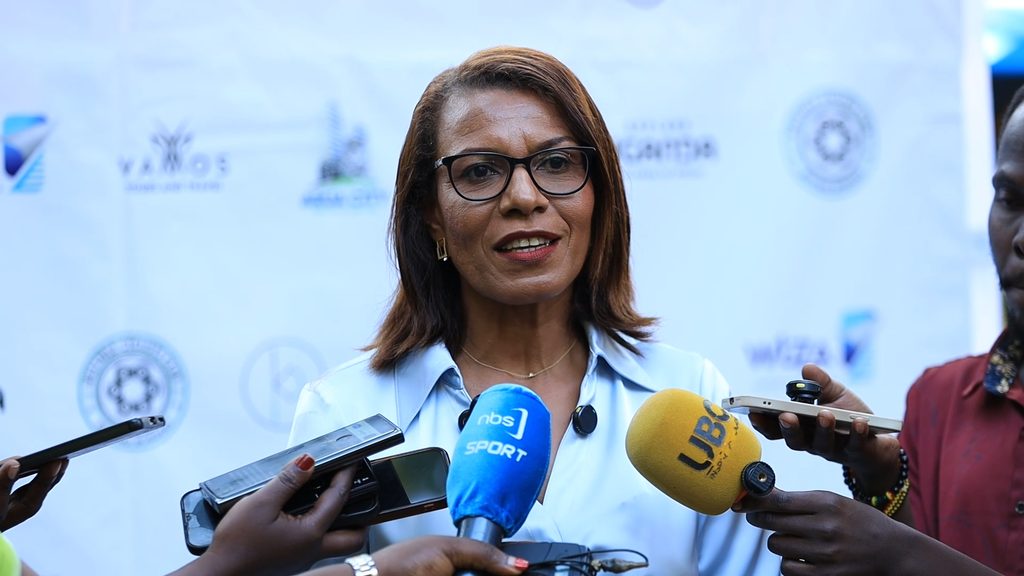
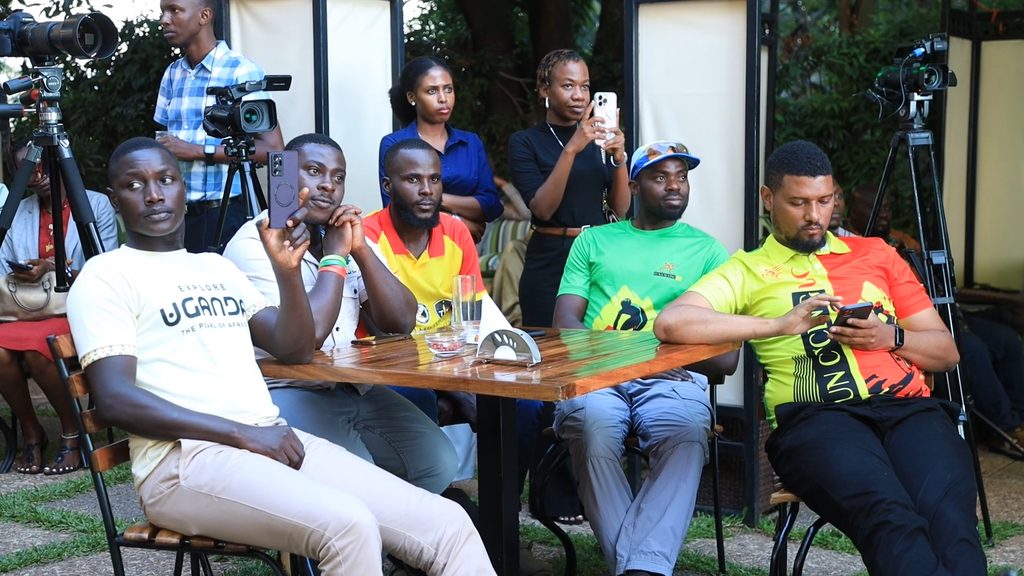
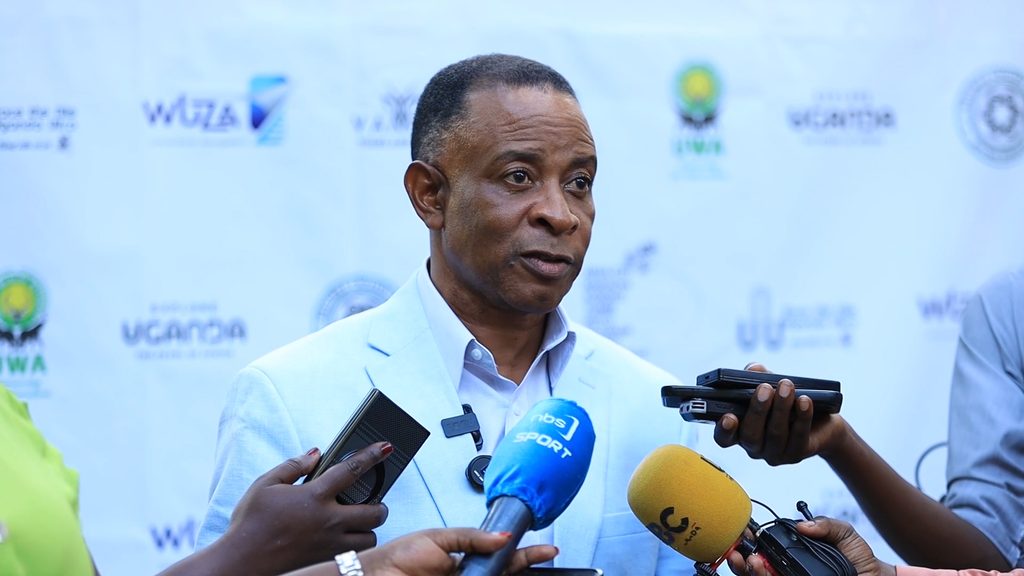
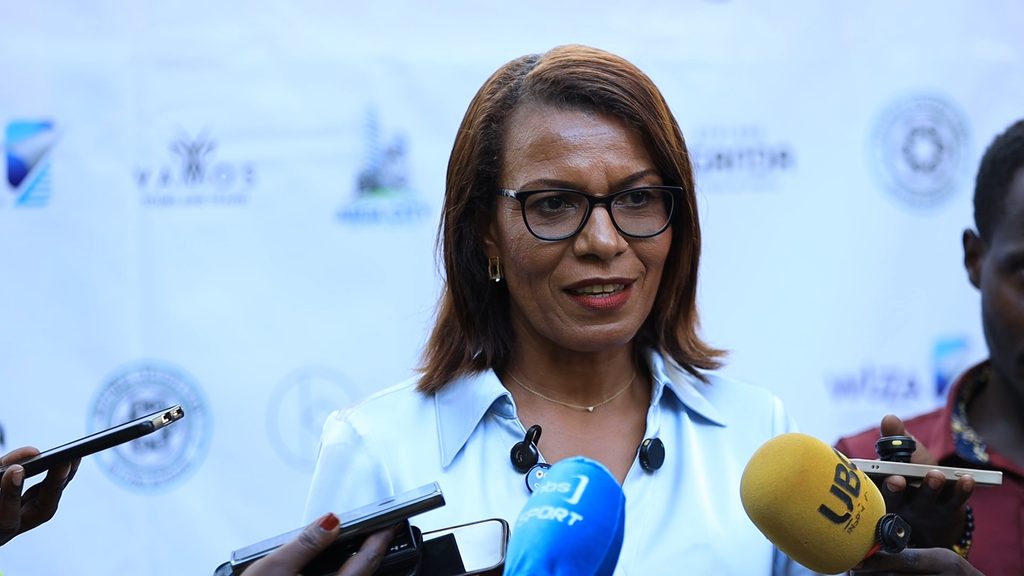
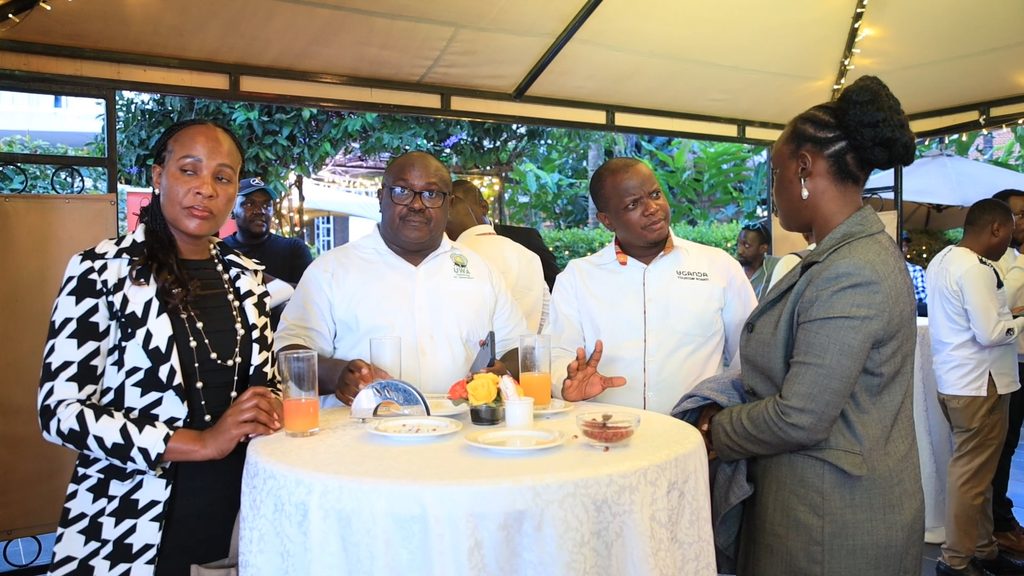
The Race the Nile Uganda Ultra 2026 was unveiled yesterday evening at the Kampala Sheraton Hotel by a team led by Dr. Lilly Ajarova, marking the beginning of preparations for the pioneering ultra-endurance cycling event.
Scheduled for 23–27 November 2026, the five-day race will cover approximately 800 kilometres, taking riders from Uganda and around the world through some of West Nile’s most spectacular and challenging landscapes.
The organizers say the event is designed to position West Nile more prominently on the international tourism and adventure-sports map while creating a platform through which the region’s natural beauty, cultural heritage and communities can be experienced by the world.
West Nile is endowed with extraordinary tourism assets, including the majestic Nile River, diverse landscapes, rich cultural traditions and vibrant communities. However, organizers say the region has lacked a major international platform capable of bringing these attractions together.
Race the Nile Uganda Ultra 2026 seeks to fill that gap by combining adventure, tourism, conservation and community engagement in one international event.
The route will take riders across gravel roads, river valleys, open savannahs and remote trails, with sections stretching towards the Alur Highlands and areas close to Uganda’s borders with the Democratic Republic of Congo and South Sudan.
For the organizers, the race represents more than a sporting competition. It is an opportunity to introduce international riders to a part of Uganda that remains relatively unexplored by the global adventure-tourism market.
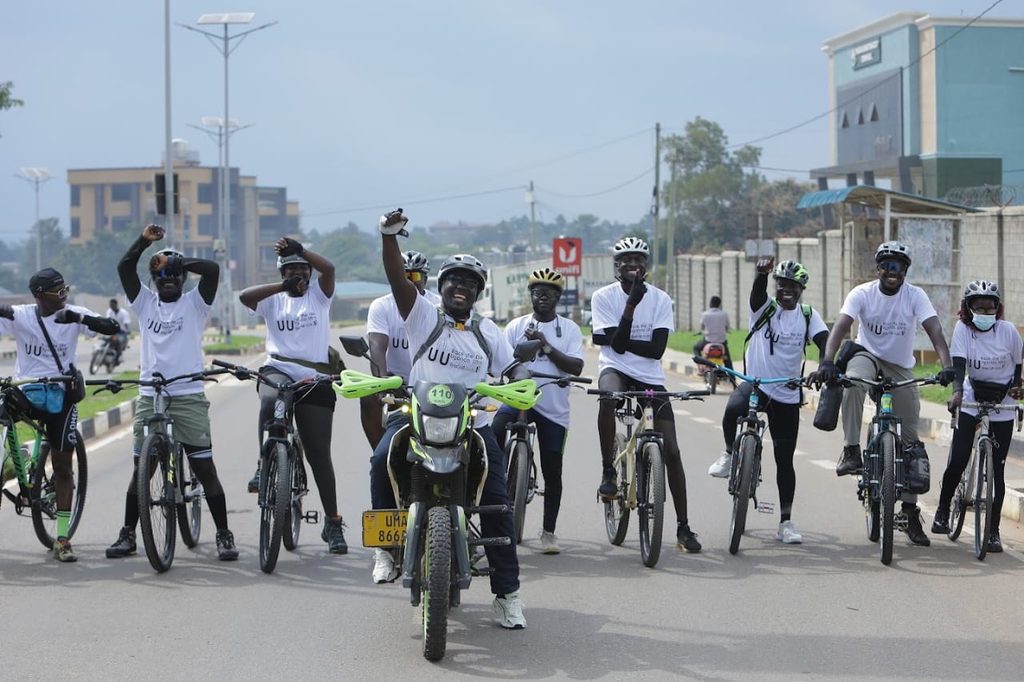
The 2026 edition will be the first self-supported gravel ultra-endurance race of its kind in the West Nile region, making it a pioneering pilot event.
Starting and finishing in Arua, the largest city in West Nile, the race will challenge participants to navigate long and demanding sections while relying largely on their own preparation, endurance and resilience.
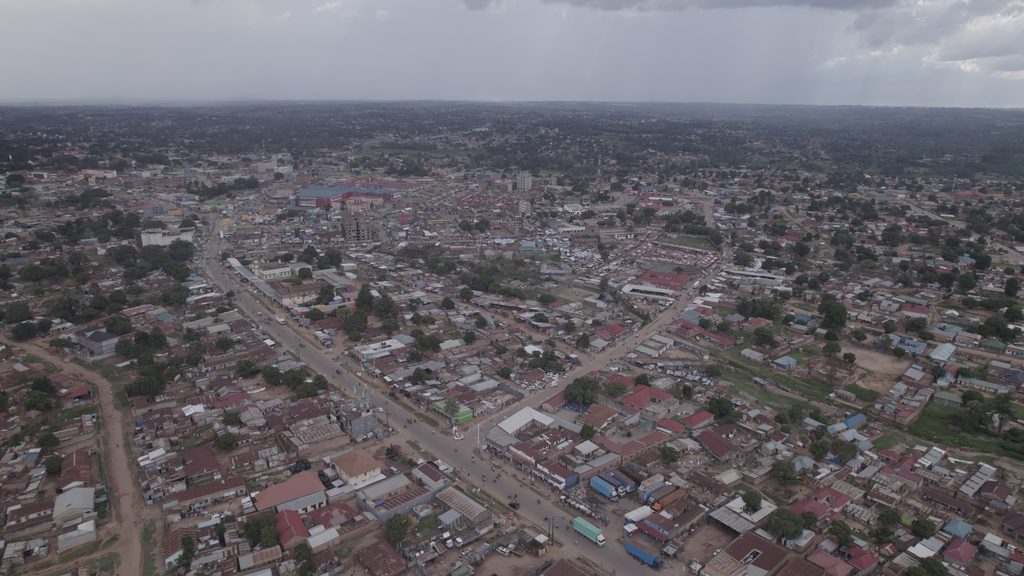
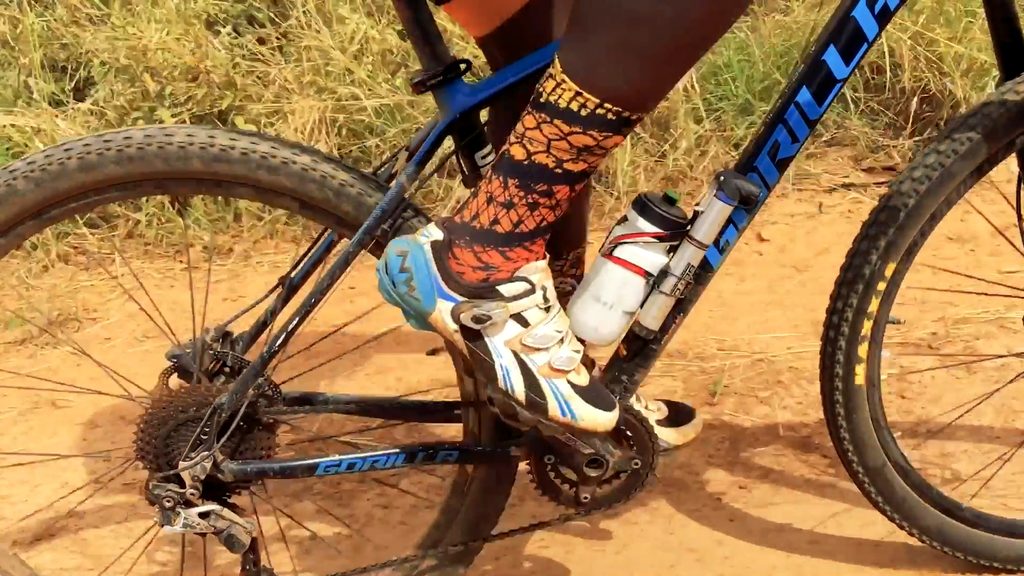
Riders can expect a combination of rugged gravel roads, remote trails, heat, dust and long distances between service points.
The region’s climate will also add another layer of difficulty, with daytime temperatures potentially reaching 38°C or higher.
Participants are therefore expected to prepare for intense heat exposure, demanding terrain, prolonged physical exertion and significant hydration and nutrition requirements.
One of the most distinctive elements of Race the Nile is its connection to wildlife conservation.
The event is being linked to the revival of Uganda’s White Rhinoceros population, particularly conservation efforts at Ajai Wildlife Reserve.
Organizers say the race will contribute to conservation and community-development initiatives, giving participants an opportunity to leave a positive legacy beyond the kilometres covered.
Under the initiative, the winner of the race will receive the rare opportunity to name one of the newly reintroduced white rhinos at Ajai Wildlife Reserve.
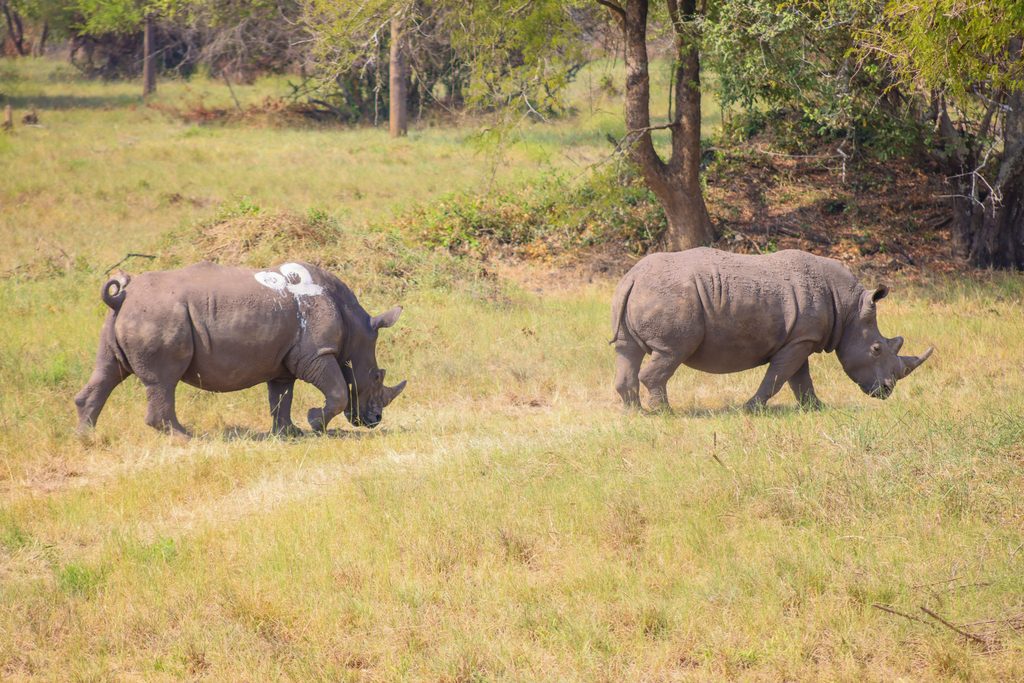
The conservation story is particularly significant because rhinos disappeared from the region decades ago, but efforts are now underway to rebuild the population.
The organizers describe the initiative as a way of connecting sport with conservation turning the race into a platform for restoring ecosystems, supporting communities and reviving an important part of Uganda’s wildlife heritage.
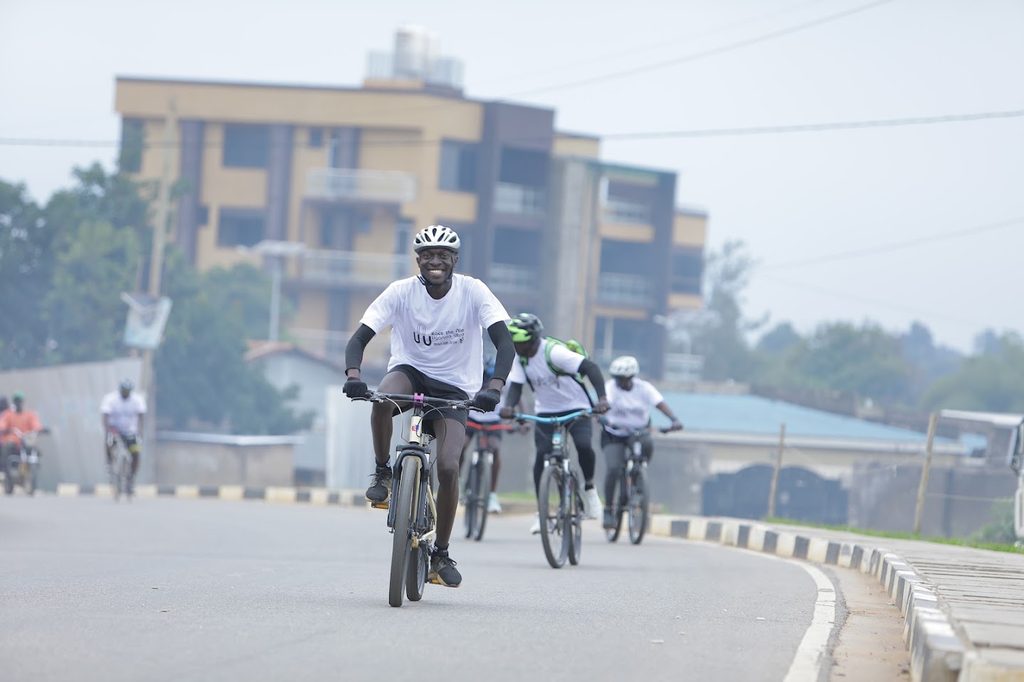
Race the Nile is designed for what organizers describe as trailblazers riders willing to leave the conventional cycling routes behind and take on an authentic adventure.
Participants will encounter remote landscapes, wildlife, local communities and diverse cultural experiences along the route.
The event will also provide riders with a range of support and race services, including official route GPX files, real-time GPS tracking, checkpoint crews, mobile course vehicles and medical support.
Registered riders will also receive a welcome package, local mobile connectivity, access to official race photography, checkpoint rewards, a finisher’s gift and an invitation to the official closing celebration.
An insider guide will further provide recommendations for riders interested in exploring West Nile beyond the race.
The organizers have announced several registration categories.
Individual racers will pay EUR 175 for early-bird registration, rising to EUR 250 under the regular rate and EUR 300 during the late-registration period.
Teams of two will pay EUR 150 per rider during early bird, EUR 200 during regular registration and EUR 250 during late registration.
Special rates have also been set at EUR 150 for East African residents and EUR 100 for Ugandan nationals.
The launch signals an ambitious attempt to combine Uganda’s growing adventure-tourism sector with international endurance sport.
Rather than presenting West Nile simply as a destination to visit, Race the Nile aims to make the region an experience one that connects riders with its landscapes, wildlife, people and heritage.
From the Nile crossings to the highlands and remote trails, the 800-kilometre journey promises to test riders physically while offering a rare opportunity to discover one of Uganda’s most culturally and geographically diverse regions.
As the organizers prepare for the inaugural race in November, Race the Nile Uganda Ultra 2026 is positioning itself as more than a competition.
It is a journey through West Nile, a platform for tourism, a celebration of community and culture, and an opportunity to connect adventure with conservation.